

Article
Is Flimty Safe During Pregnancy and Breastfeeding?
Flimty pregnancy and breastfeeding safety is one of the questions our team gets most often, since anything new you put
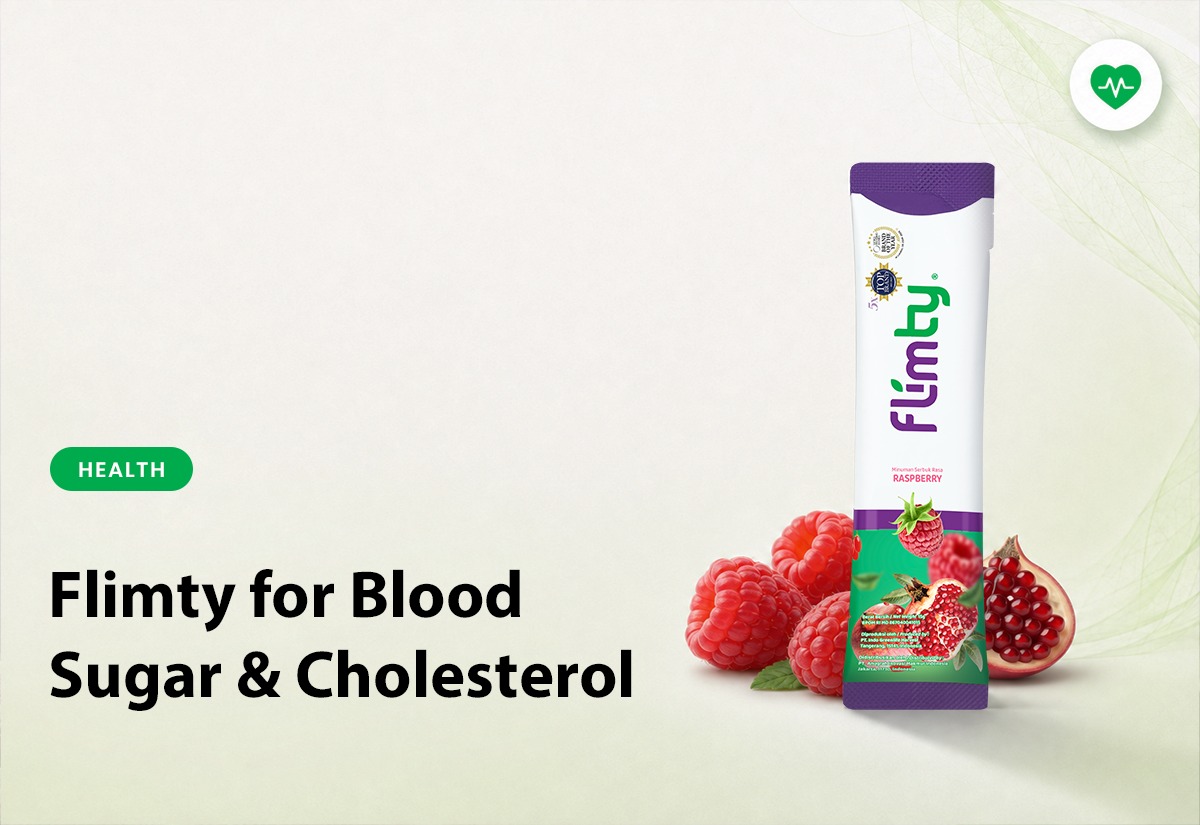
Flimty for diabetes is one of the questions our team hears almost every week, so here’s a straight answer up front rather than a sales pitch.
Quick answer: Flimty is a fibre supplement, not a diabetes treatment, and it does not replace medication. The Raspberry and Mango flavours contain no sugar and are sweetened with steviol glycosides from the stevia plant, which is why people watching their blood sugar tend to choose them. Research on psyllium husk does show improved glycaemic control, but at doses higher than one sachet provides. If you take diabetes medication, talk to your doctor before adding any fibre supplement.
This article covers what the research actually found, how that compares to what’s in a Flimty sachet, and the one safety point that matters most if you’re on medication.
The most cited study here is Anderson and colleagues, published in the American Journal of Clinical Nutrition in 1999. It was a randomised, double-blind trial, the design you want to see.
| Detail | What the study did |
|---|---|
| Participants | 34 men with type 2 diabetes and mild to moderate high cholesterol |
| Dose | 5.1 g psyllium twice a day, so 10.2 g per day |
| Comparison | Cellulose placebo |
| Duration | 8 weeks |
The results, compared with placebo:
The authors concluded that adding psyllium to a traditional diabetes diet “is safe, is well tolerated, and improves glycemic and lipid control” in this group.
Two things are worth noticing. The participants were already following a diabetes diet and were under medical care, so psyllium was an addition to treatment rather than a replacement for it. The study also did not report weight reduction, despite that claim circulating in product marketing.
This is the part most supplement articles skip, and it’s the part you actually need.
| The study | One Flimty sachet | |
|---|---|---|
| Amount | 10.2 g of psyllium daily | 5 g total dietary fibre (Raspberry and Mango, per 15 g sachet) |
| What it was | Psyllium only | Psyllium husk plus inulin and fruit and vegetable powders |
The study used roughly double the total fibre of one sachet, and all of it was psyllium. In a Flimty sachet, psyllium is the main ingredient but not the only source of that 5 g.
The honest conclusion: one sachet a day is a reasonable way to add fibre to your diet, and psyllium is a well studied fibre. It’s not the same as the intervention in that trial, and you shouldn’t expect the same numbers from it. Anyone telling you otherwise is stretching the evidence.
Worth keeping in perspective too: adults are generally advised to get around 30 g of fibre a day, and most of us fall well short. One sachet covers roughly a fifth of that. It tops your intake up. It doesn’t do the job on its own.
If you’re managing blood sugar, what sweetens your drink matters as much as what’s in it. The flavours aren’t identical, so here’s the actual label information.
| Flavour | Sugar per sachet | Sweetener | Fibre |
|---|---|---|---|
| Raspberry | 0 g | Steviol glycosides (from stevia) | 5 g |
| Mango | 0 g | Steviol glycosides (from stevia) | 5 g |
| Blackcurrant | 2 g | Sucralose | 4.5 g |
Raspberry is the cleanest formulation of the three. It uses real fruit powders, raspberry at 16.4% and strawberry at 13%, with no synthetic flavouring and a natural sweetener. Mango uses the same natural sweetener but does include a synthetic mango flavouring.
Steviol glycosides come from the stevia leaf and don’t raise blood glucose. Sucralose doesn’t raise blood glucose either, but it’s an artificial sweetener, and some people prefer to avoid those.
The more important difference is the sugar itself. Blackcurrant contains 2 g of sugar per sachet, while Raspberry and Mango contain none. If you count sugar closely, that makes the choice straightforward.
Each sachet also contains about 60 kcal and 14 to 15 g of total carbohydrate, most of which is the fibre itself. If you count carbohydrates, count the sachet.
This section matters more than anything else on the page.
Leave a gap between your medicine and your drink. Psyllium forms a thick gel in the digestive tract. A tablet swallowed at the same time can get caught in that gel and travel further along the gut before dissolving, which can reduce how much of the medicine your body absorbs. The standard precaution is to take Flimty at least 2 hours before or after any medication. For thyroid medicine such as levothyroxine, a gap of around 4 hours is usually advised.
Watch for lows if you’re on insulin or sulfonylureas. Soluble fibre slows how quickly glucose enters your bloodstream after a meal, which is usually a good thing. But if your medication is already calibrated to your current diet, adding a fibre supplement can push your readings lower than expected. With insulin or sulfonylureas such as gliclazide, that can mean hypoglycaemia.
What to do about it is simple and not optional: tell your doctor before you start, check your levels more often during the first two weeks, and let your doctor adjust your medication if adjustment is needed. Never change a prescribed dose yourself because you added a supplement.
If you also deal with acid sensitivity or a history of gastritis, take it after food rather than before.
We’d rather say this plainly than have you buy something expecting results it can’t promise.
Can people with diabetes drink Flimty?
Many people with well-managed type 2 diabetes take fibre supplements without difficulty, and psyllium was described as safe and well tolerated in the diabetes trial above. That said, your situation depends on your medication and your control, so ask the doctor who manages your diabetes before you start.
Does Flimty lower blood sugar?
Flimty is not a glucose-lowering product and makes no such claim. Research on psyllium at about 10 g a day showed lower all-day and post-meal glucose in men with type 2 diabetes. One sachet contains less fibre than that, so treat those figures as evidence about psyllium rather than a prediction about your own readings.
Which Flimty flavour is best if I’m watching sugar?
Raspberry or Mango. Both contain no sugar and use steviol glycosides from stevia. Raspberry additionally has no synthetic flavouring, which makes it the cleanest of the three.
Can I take Flimty with metformin or insulin?
Not at the same moment. Leave at least 2 hours between your medication and your Flimty drink so the fibre gel doesn’t interfere with absorption. If you’re on insulin or a sulfonylurea, also monitor your levels more closely at first, because added soluble fibre can lower post-meal readings. Your pharmacist can confirm the right spacing in a minute.
Is stevia safe for people with diabetes?
Steviol glycosides contain no digestible carbohydrate and don’t raise blood glucose, which is why they’re widely used in products aimed at people managing sugar intake.
How much fibre is in one sachet?
5 g in Raspberry and Mango, 4.5 g in Blackcurrant, per 15 g sachet. Against a general target of around 30 g a day, that’s roughly a fifth of your intake.
Can Flimty replace my diabetes medication?
No. Never stop or reduce prescribed medication in order to take a supplement. If your readings improve, that’s a conversation to have with your doctor, who is the only person who should adjust your treatment.
Browse the flavours in the Flimty UAE shop, or start with Raspberry if you want the stevia-sweetened option with no synthetic flavouring. First time ordering? See how to buy, or use our Noon UAE ordering guide. Not sure it suits you? Message the Flimty UAE team on WhatsApp. New to the product? Start with what Flimty is and what’s in it.
Medical disclaimer: Flimty is a food supplement, not a medicine, and is not intended to diagnose, treat, cure, or prevent any disease, including diabetes. This article is general information and is not medical advice. Nutrition figures are taken from the product label and may vary by flavour and production batch, so always check your own pack. If you have diabetes, are pregnant or breastfeeding, or take prescription medication, consult your doctor or pharmacist before use, and never delay or stop prescribed treatment because of something you read here.
Flimty pregnancy and breastfeeding safety is one of the questions our team gets most often, since anything new you put

Flimty for ulcers is one of the most common questions from people managing gastritis, acid reflux, or a diagnosed ulcer,